
Create a Wallet
Understand addresses, seed phrases and private keys before creating a wallet on a trusted device.
Learn more →imtoken · Multi-chain Digital Wallet
From multi-chain assets and network selection to transfers, DApp connections, approvals, network knowledge and wallet security, imtoken brings practical workflows and risk checks together.
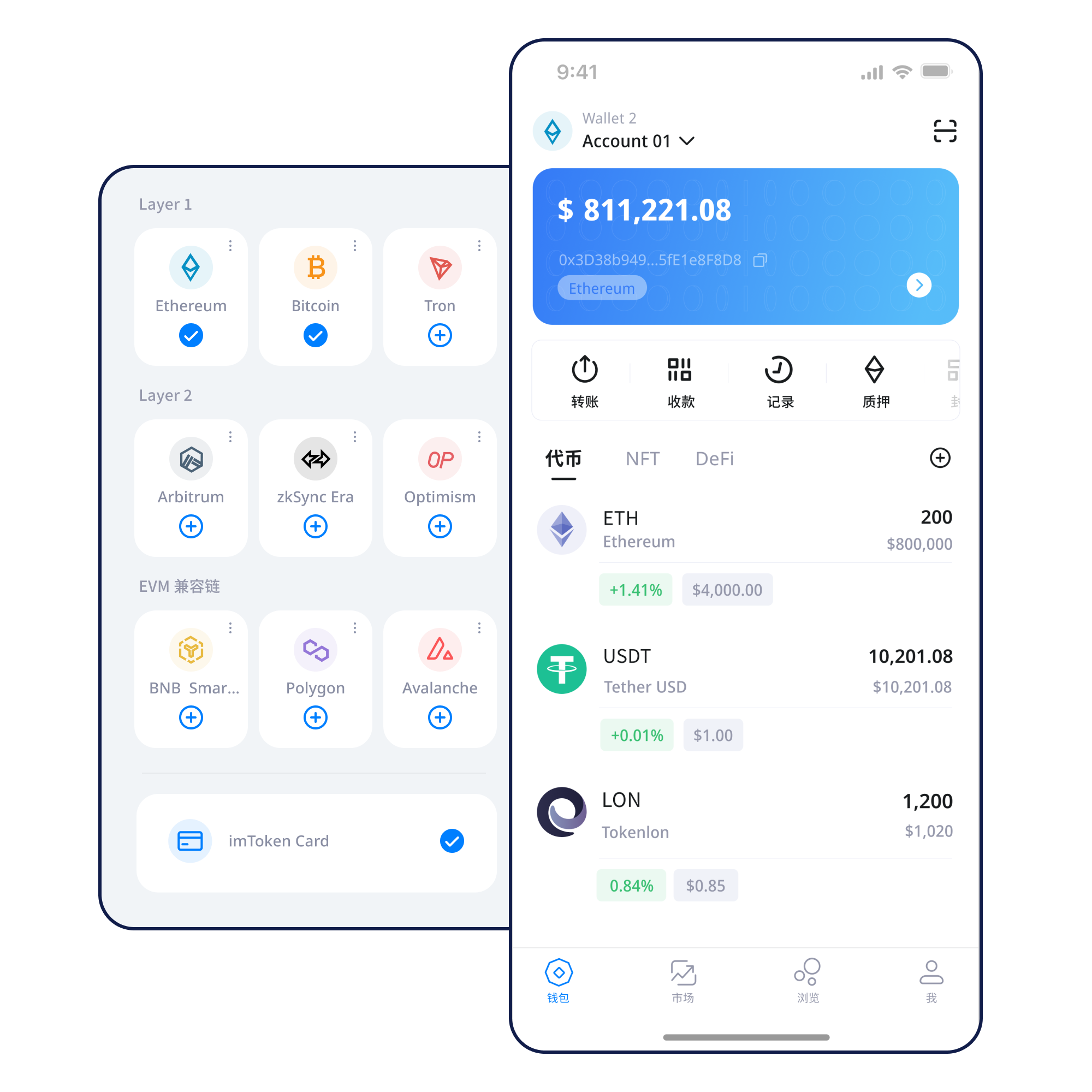
User tasks
Understand addresses, seed phrases and private keys before creating a wallet on a trusted device.
Learn more →Keep recovery information offline; avoid screenshots, public cloud storage and sharing it.
Learn more →Check the receiving address and network so the sender uses the intended chain.
Learn more →Review address, network, amount and gas, then verify the transaction hash and confirmations.
Learn more →Confirm the domain and connection request, then inspect every signature or approval separately.
Learn more →Wallet capabilities
Networks, addresses, gas, transaction history, approvals and device security all shape whether an on-chain action is understandable and controlled.
Separate assets by network rules and review address format, destination network and confirmation state.
Use a reviewable workflow around the receiving address, network, amount, gas and transaction hash.
Review assets, manage networks, inspect history and start DApp interactions on mobile.
Browser connections should center on request review: account access, spender, permission scope and disconnection.
Treat seed phrases, private keys and approval review as separate responsibilities.
Blockchain networks
Each chain has its own state, fees and confirmation rules.
Nodes propagate transactions and blocks record state.
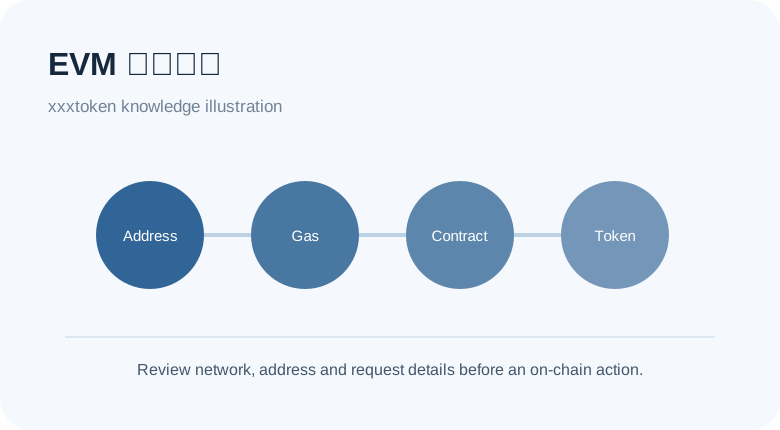
Addresses may look similar while chain IDs, gas and contracts differ.
Cross-layer movement involves bridges, waiting and finality.
Fees and confirmation speed change with network conditions.
Wallet journey
Use the official entry to reach the download page.
Use a trusted device and never submit recovery secrets to a webpage.
Store the seed phrase offline and avoid screenshots or chat forwarding.
Check chain, address format, gas and recipient requirements.
Review address, network, amount and fee before confirming.
Check the transaction hash and old DApp approvals.
Web3 & DApp
Connecting a wallet does not mean every signature request should be accepted. Review every signature and approval independently.
Read the Web3 guide →Security
Keep seed phrases and private keys under your own control. Review address, network and amount before transfers, and inspect every DApp signature or approval.
Open security centerAcademy
An address receives assets, seed phrases and private keys relate to control, the network determines where a transaction happens, and gas plus the transaction hash help explain fees and confirmation.
Read the starter guide →Ethereum · PoS
Staking does not guarantee returns. Rewards can change, exits may involve waiting periods, and validators may face network penalties.
Understand Ethereum staking →Product & security updates
FAQ
A seed phrase can restore a key set, while a private key controls an address. Both should remain under your own offline control.
Review the address, destination network, amount and gas, then keep the transaction hash after submitting.
No. Connections, message signatures, transaction signatures and token approvals are separate requests.
Gas depends on network rules, transaction complexity and demand; wallet values are usually estimates.
Once confirmed by the network, an on-chain transaction generally cannot be reversed by a wallet alone.
Layer 2 processes more activity away from mainnet and settles or proves results back through a specific design.
No. Rewards can change, exits may involve waiting, and validator penalties, contract risk and price volatility can affect outcomes.
imtoken
Understand wallet, network and security principles first, then continue for your use case.